
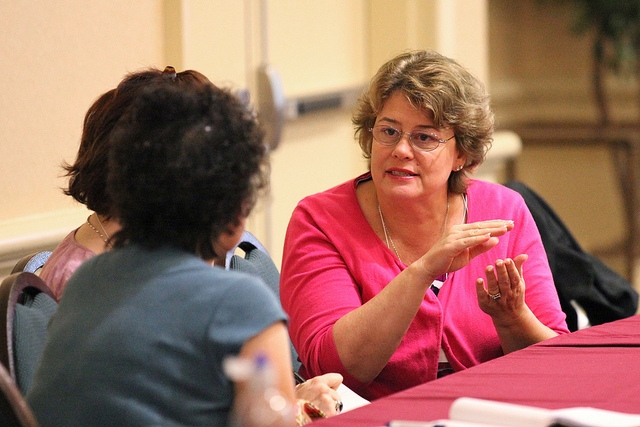
Imagine a world where …
- People around you treated you with the respect and dignity that you deserved.
- You don’t have to deal with gossips, liars, or bullies.
- Co-workers focus on fixing problems, not placing or avoiding blame.
- You actually enjoy coming to work every day – and you get more done!
Sound like a fantasy? It’s not!
It’s the result of workplace relationships built on a foundation of trust and respect. I’m thankful I grew up seeing how my father, who was a leader, treated people. He listened to them, valued their opinions, and gave them his time and help regardless of position, color of skin, age, or beliefs.
He never belittled anybody, shouted, or exercise his power in the wrong way. At the same time, he was not afraid of dissension, difference of opinions, and diversity of thought, as long as it was done respectfully.
You can be a leader that builds a culture of respect by being a model of respect.
How you can build respect
1. Teach it. When your staff is not clear over what is, or is not, disrespectful behavior in the workplace, it leads to subjective interpretations of bad behavior. Expectations of positive behavior need clear, specific guidelines, and to be taught. Repetition, reflection, and reinforcement will help learning. Respect needs to be mandatory, not optional. It should also be included in annual reviews. Clearly defined expectations and boundaries helps build a culture of respect and holds everyone accountable.
2. Adapt it. Any ideas about respect, or bullying should be framed within the context of your specific organization. While certain principles are universally accepted, such as treating others with respect, respectful communication, and moral behavior, you will be well served to frame expectations around your company’s unique culture and personality. Be mindful and deliberate about your expectations for respect. It’s a good idea to have employees help draft the code of standards and expectations. When they have skin in the game they will be more inclined to live up to it.
3. Model it. Since many believe that workplace leadership is at fault as it relates to a culture of disrespect in the workplace, then you as a leader are going to have to personally step up and take responsibility. While changing a culture of disrespect is a system wide objective it starts at the top. What the leader expects from others, the leader has to model. The leader must also be held to account.
Here is a sampler of respectful behaviors you can model:
- Even when busy, take time to pause and focus on the other person.
- When someone has a question, you turns away from your computer and look directly at the person.
- If you need to reprimand, talk to them in private, pointing out the problem without belittling, calling names, screaming, or threatening.
- Take time to listen without interrupting in mid-sentence.
- Listen to ideas and suggestions and take them seriously.
- When walking around, stop and greet people with a smile, instead of not looking at anybody, passing through as a tornado.
- Expect the best of others without trying to micro-manage every step of the process. Respect their abilities and competencies.
4. Praise it. Unfortunately, many who experience incivility or bullying at work do so in silence. They feel they have no one to turn to, or fear retaliation. Building a culture of respect begins when you teach it, adapt it, and model it. But going forward you must also praise the respect your team gives. Instead of suffering in silence you can create a culture of praising in public. It’s been said that what you tolerate, you promote. But I also believe that what you praise you perpetuate. Lift up the positives of respect, honor, and civility. These are strengths that facilitate dialogue and create a better workplace.
Remember. . .
Building a culture of respect begins with respect, and it begins with you. Are you ready to step up to the challenge?
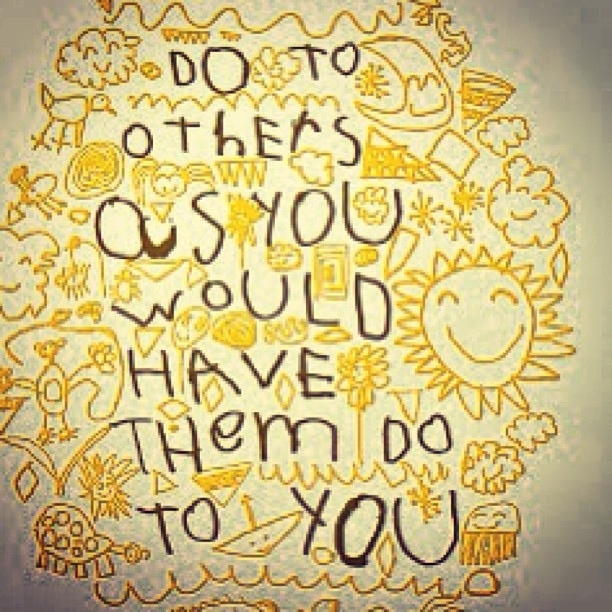
Photos via Flickr by: US Army, and Christopher Johnson.