
Yesterday, I was interacting with @Chascritical in tweeter. He was talking about custodianship as one of the purposes of a board of directors, which helps fix their minds on the long term, when so often it’s forced to be short term. It made me think this is one aspect of leadership that is rarely mentioned.
In a governance context, the custodian role refers to the protective custody that boards provide to safeguard the enterprise. Board oversight helps to ensure that the organization earns trust by setting high standards of ethics and quality and by hiring executives who uphold those standards.
Custodianship is the responsibility for the safety and well-being of someone or something. Custodians hold something in trust on behalf of others. Custodianship does not imply behavior motivated out of self-interest. As custodian, a leader is an individual who upholds what is best for all people, even if it may not be in his or her own interest to do so.
The late American newspaper commentator Walter Lippmann, in his syndicated column Today and Tomorrow, defined leaders as “the custodians of a nation’s ideals, of the beliefs it cherishes, of its permanent hopes, of the faith which makes a nation out of a mere aggregation of individuals.”
Leaders as custodians embody an attitude that focuses on the task at hand and not on what the leader may gain from the position. It implies a caring and concerned relationship between leaders and followers; it implies individuals motivated by their constituents’ best interests.As a leader, What do you have custodianship of? Let me propose 4 major treasures you have custody of:
- Custody of Values. Among basic values in this society are dignity of the individual, privilege with responsibility, and freedom to pursue one’s own potentials as a creative individual. Society places these and other values in the custody of its leaders. You have custody of the values of your organization and part of your responsibility as leader is to live and uphold those values.
- Custody of quality of life. You are the custodian of the greatest asset of your organization, it’s people. As such, you should provide the conditions that can best contribute to their well being at work.
- Custody of culture. You also need to guard, protect and maintain the heritage and culture of your organization. Cultures don’t just happen. You have to nurture it, communicate it, live it, encourage it, and constantly bring up conversations about it.
- Custody of ideals, vision and hope. This means raising the sights and holding the focus of those you lead so that they are empowered to reach their potential. It means enabling people by getting the roadblocks out of their way and often out of their thinking. To do this you must visualize the big picture at all times and hold the course for the benefit of all.
Acording to Goleman, author of Emotional Intelligence, empathy means thoughtfully considering employees’ feelings—along with other factors—in the process of making intelligent decisions. ” Custodianship means taking others’ ideas and feelings into account while holding in trust—keeping as boundaries or guardrails—the group’s ideals, beliefs and hopes.
Remember. . .
Part of your responsibilities as a leader is to be a custodian, protecting, maintaining, keeping safe, and upholding what is best for all your people, even when it may not be in your own best interest.
I can help you or the leaders that report to you develop custodianship skills and be more effective and successful. To find out more, simply click here.
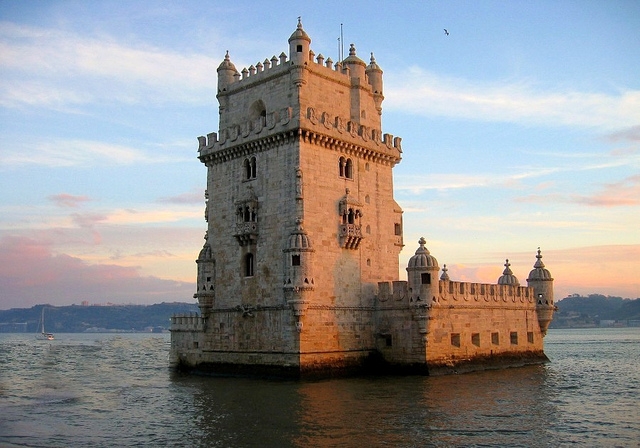
Photo by: Chrismatos