
Recently more than 120 leaders from all over the USA, Canada, and the world shared with me their perception of what were their 3 main challenges with change in 2014. I have already shared some of the results in previous posts. Today I'm addressing leadership.
Twenty nine percent of the answers referred to leadership issues. And by leadership they are not talking about authority. The answers touched on topics like characteristics of the leaders as well as how well leaders strategize, manage the change, and make people accountable.
When I read their answers, what I heard people saying was that in our present reality, for change to happen in a positive way we need leaders that assume responsibility for the organization's change and for the people involved in the change. Their voiced expectation for leaders was that they do what they are supposed to do: They lead!
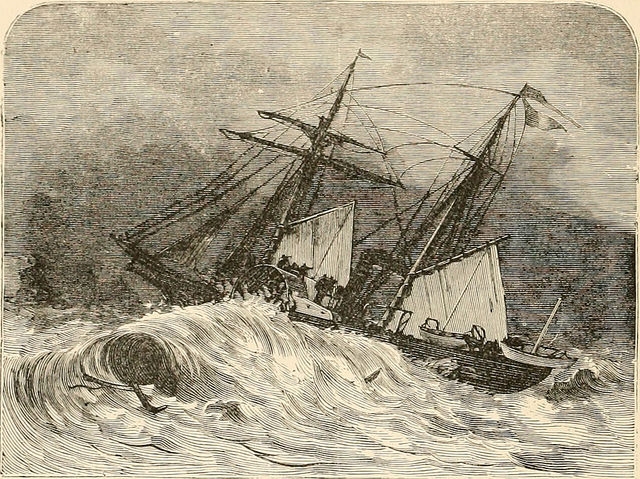
The picture I see is of a ship at sea in a terrible storm with the captain guiding the activity of the crew to make port safely.
Here are some of the specifics you can use for successful change, as I understand from the answers received:
- Value your people. Encourage participation from everybody, from beginning to end.
- Understand the culture of the organization. Take it into consideration in strategizing, managing, and helping the process of change.
- Be transparent and truthful. Be upfront with what needs to change, to what, and why. Keep everybody informed of the good and the bad during the process.
- Nurture and guide the process. Be involved from beginning to end. But don't micromanage. Delegate the details of the how. Yet they don't abandon ship. Keep your eyes and ears open throughout the process and give a helping hand where and when it's needed, at the same time that you keep the process flowing.
- Keep the change initiative realistic and adaptable. There will be need to tweak plans to keep the change alive and achievable.
When you think about it, leading change takes the same skills that good leaders should exhibit in every other aspect of their leadership. It's just that when change is involve, the stakes are higher, and the needs stronger. In a way, the life of the organization is at risk.
Therefore, as a leader, you need to keep a cool head, a warm heart, and a steady hand to successfully take the organization through the dangers of the storm to the calm waters of a new safe heaven.
Remember. . .
Change needs strong and participative leadership. It can't succeed with an absentee leader that starts the process and then abandons it with no oversight. It can't succeed with a leader that micromanages everything and strangles progress. It can't succeed with a leader that only relates and talks to a small group of insiders.
Change succeeds when you keep your values, mission, and vision alive, and congruent with the organization and it's members. Use your knowledge and dialogue skills to start and keep change on track.
Claim a free 1/2 hour one‐on‐one "Leading Change Coaching Session." Do you know how to lead successful change? Do you worry about engaging your people in the change effort? I can help you sharpen your leadership skills especially as they relate to leading change. Together we will:
- develop a crystal clear vision for the results you want,
- uncover the hidden challenges that could sabotage your success, and
- you will leave the session renewed, reenergized and inspired to create a powerful results driven plan that gets change started in a positive way.
You then can be the hero of the day and still have a flourishing personal life. Click here to claim your free session.
Photo via Flickr by Internet Archive Book Images